Fractional Laser Resurfacing FAQs
If you're considering fractional resurfacing, it's normal to have questions. This treatment works beneath the surface of the skin to help improve concerns like acne scars, surgical scars, stretch marks, uneven skin texture, enlarged pores, and early signs of aging.
Below you'll find answers to some of the most common questions we receive about fractional resurfacing treatments, including how the treatment works, what the recovery process looks like, and how many sessions may be recommended.
Before + After
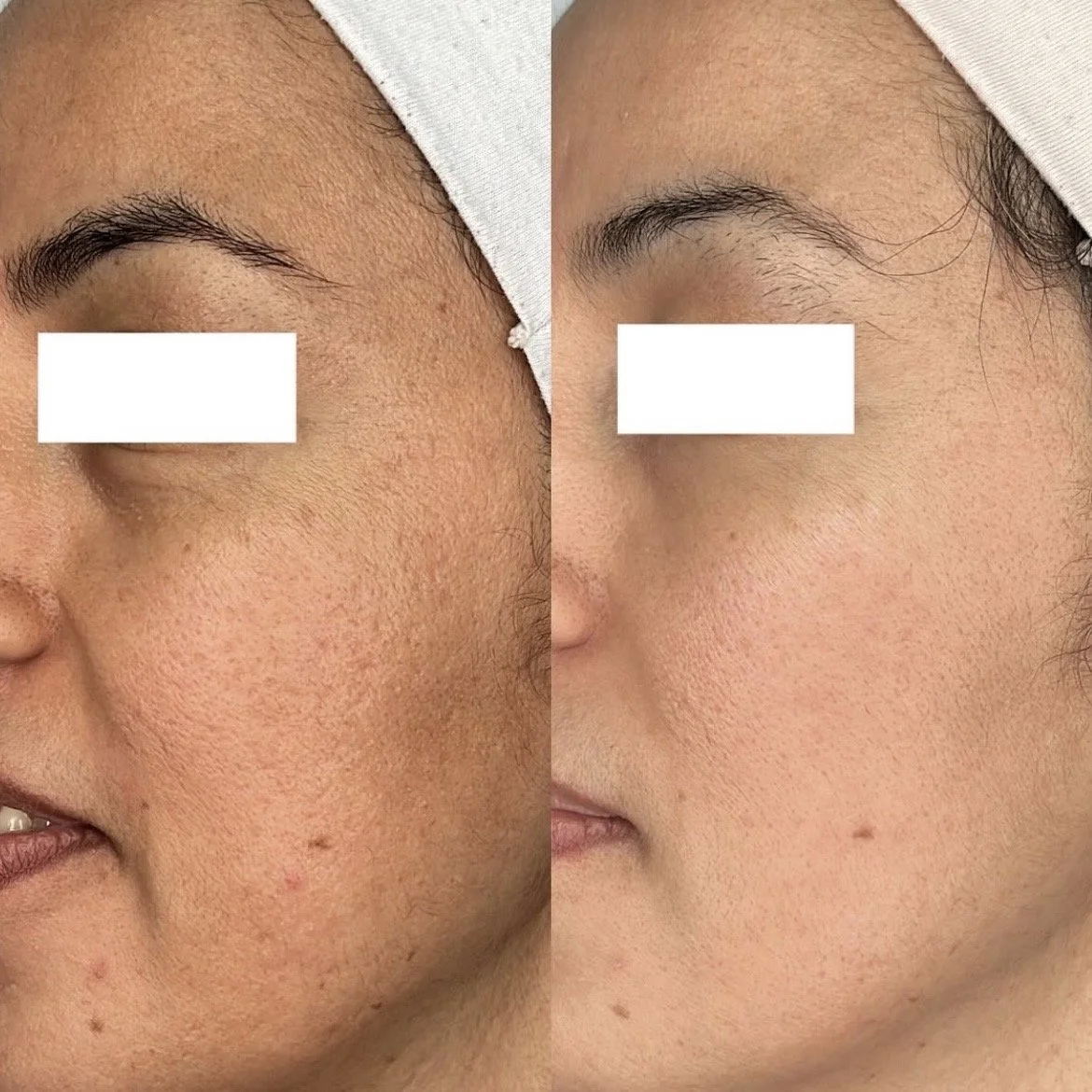
Results after 1 Fractional Laser Treatment
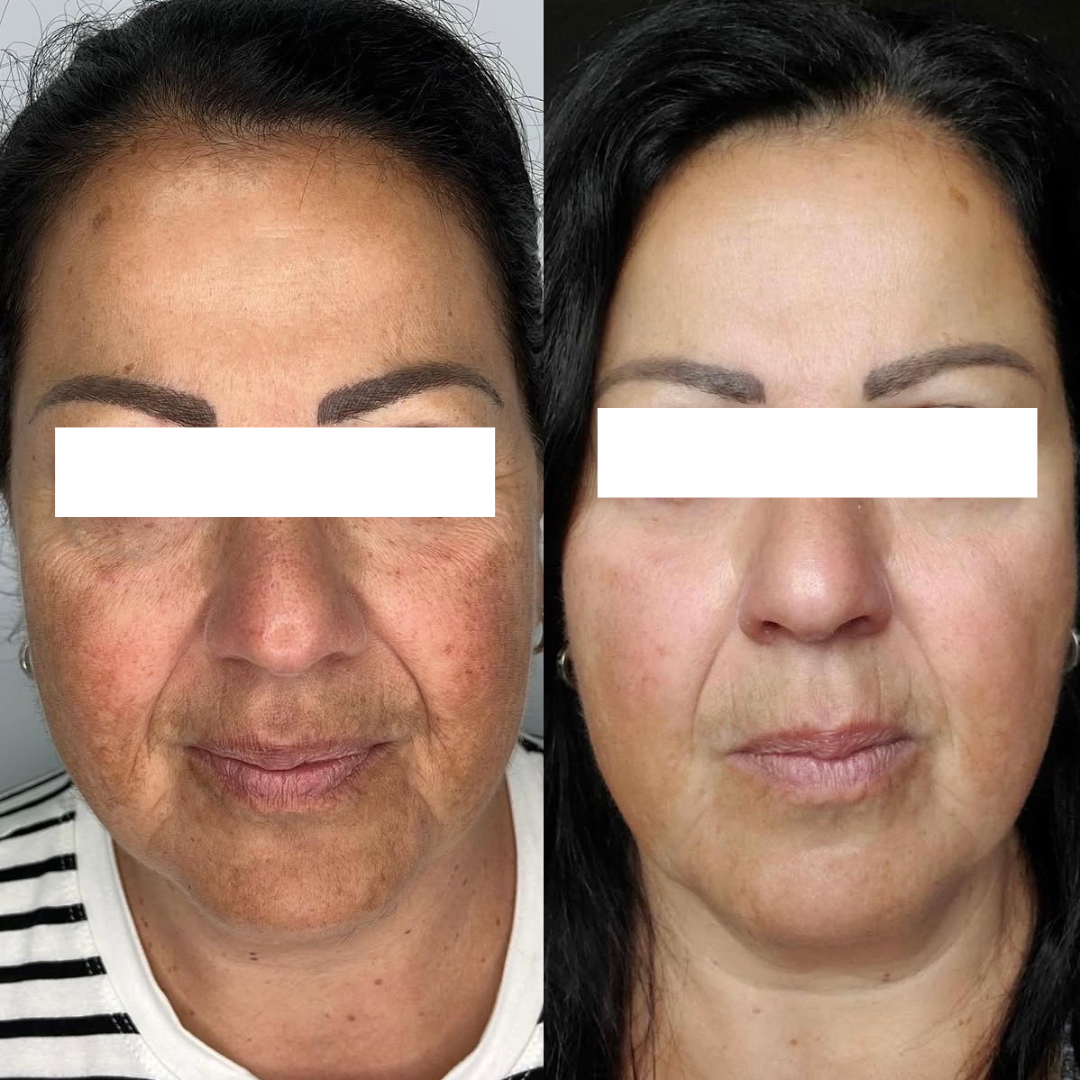
Results after 2 Fractional Laser Treatments
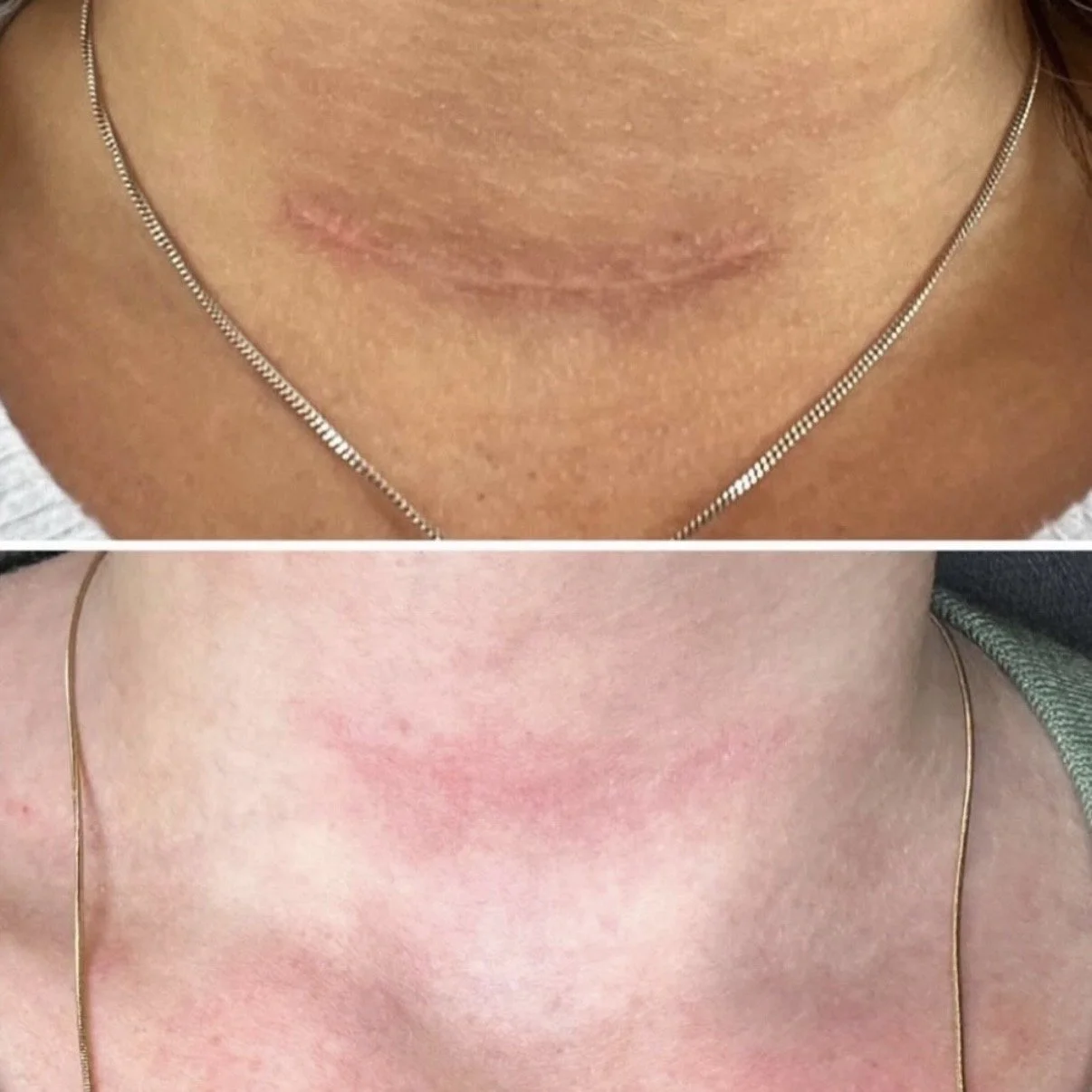
Results after 3 Fractional Laser Treatments
Fractional Laser Resurfacing FAQs
-
Fractional laser resurfacing is an advanced skin treatment that improves skin texture and stimulates collagen production using targeted laser energy. The treatment creates thousands of microscopic treatment zones in the skin, encouraging the body to repair and renew damaged tissue.
This process can help improve concerns such as acne scars, stretch marks, uneven skin texture, enlarged pores, and early signs of aging.
-
Fractional resurfacing is designed to improve skin texture and stimulate collagen renewal within the skin. It can help improve a variety of concerns on both the face and body, including:
• Acne scars and pitted acne scars
• Surgical scars and traumatic scars
• Stretch marks (including those from pregnancy or weight changes)
• Uneven or rough skin texture
• Enlarged pores
• Fine lines and early wrinkles
• Sun damage and photoaging
• Mild skin laxity or crepey skin
• Certain pigmentation irregularities
• Post-inflammatory hyperpigmentation
• Dull or uneven-looking skin
• Overall skin resurfacing and texture refinementFractional resurfacing is commonly performed on areas such as the face, neck, chest, and certain areas of the body, depending on the concern being treated.
-
Fractional laser resurfacing works by delivering precise laser energy into the skin in a fractional pattern. Instead of treating the entire surface, the laser creates tiny columns of controlled thermal injury within the skin while leaving surrounding tissue intact.
These micro-treatment zones trigger the body’s natural healing response and stimulate the production of new collagen and elastin. As the skin repairs itself, damaged tissue is gradually replaced with healthier, smoother skin.
Over time, this collagen remodeling helps improve scarring, texture irregularities, and overall skin quality.
-
The number of treatments depends on the skin concern being treated and the level of improvement you are hoping to achieve.
For general skin rejuvenation, such as improving fine lines, skin texture, or early signs of aging, some clients notice visible improvement after one treatment. However, a series of 2 to 4 treatments spaced approximately 6 to 8 weeks apart is often recommended for more noticeable and longer-lasting results.
For scars or stretch marks, a larger number of treatments is typically required. Because scar tissue remodels more slowly than healthy skin, a series of 3 to 6 treatments spaced approximately 8 to 12 weeks apart is often recommended, depending on the age, thickness, and severity of the scar.
During your consultation, we will assess your skin and recommend a personalized treatment plan based on your concerns and desired level of correction.
-
Some improvements in skin texture may be visible once the initial healing phase is complete. However, the most significant changes develop gradually as new collagen forms within the skin.
Collagen remodeling typically continues for 3 to 6 months after treatment, meaning the skin may continue improving over time.
-
Fractional laser resurfacing is typically very quick, and most clients find the treatment manageable. You may feel a brief warming or prickling sensation as the laser treats the skin. Certain areas, such as the forehead or around the eyes, can feel a bit more sensitive.
-
Immediately after treatment, the skin may feel warm and appear red, similar to a mild to moderate sunburn. Mild swelling and sensitivity are also common during the first day.
The sunburn-like sensation typically improves significantly within 24–48 hours as the skin moves into the healing phase. Over the next several days, the skin may feel dry or rough and small pinpoint scabs or a temporary grid-like texture may appear as the skin regenerates.
Most visible healing occurs within 5 to 10 days, depending on the treatment intensity and individual healing response.
-
Treatment time depends on the size of the area being treated.
Most fractional laser resurfacing sessions take approximately 30 to 60 minutes, including preparation time.
-
Yes. Because fractional laser resurfacing works by creating controlled injury within the skin, some downtime should be expected.
Most clients experience redness, dryness, and mild peeling during the healing process. These effects typically improve within about 5 to 10 days, although redness may last longer depending on the intensity of the treatment.
-
Fractional laser resurfacing is considered a safe and effective treatment when performed by trained professionals using medical-grade equipment.
At Nüd Sugaring + Laser Studio, we use an Er:YAG fractional laser (2940 nm wavelength). This wavelength primarily targets water within the skin rather than melanin, allowing the treatment to focus on skin resurfacing and collagen stimulation while reducing the risk of pigment complications.
Because of this, fractional laser resurfacing can be safely performed on many skin types, typically Fitzpatrick skin types I–V, when appropriate settings and protocols are used.
For very deeply pigmented skin (Fitzpatrick type VI), the risk of post-inflammatory hyperpigmentation or hypopigmentation can be higher with resurfacing treatments. For this reason, alternative treatments may sometimes be recommended depending on the individual case.
Every treatment begins with a consultation to ensure the procedure is appropriate for your skin type, medical history, and treatment goals.
-
Fractional laser resurfacing can be performed on many areas of the face and body, depending on the concern being treated. Common treatment areas include:
• Face
• Neck
• Chest
• Abdomen
• Arms
• Hands
• Back
• Areas with scars or stretch marksDuring your consultation, we will assess the treatment area and determine whether fractional laser resurfacing is appropriate for your skin and goals.
-
Preparing your skin properly helps ensure safe treatment and optimal results. In general, clients should avoid sun exposure before treatment, temporarily pause certain skincare products such as retinoids or exfoliating acids, and avoid recent resurfacing treatments.
It is also important to arrive with clean, product-free skin on the day of your appointment.
For a complete list of instructions, head to the bottom of our Fractional Laser Resurfacing page to review our full pre-care guide.
-
Fractional laser resurfacing is ideal for individuals looking to improve skin texture, scarring, or early signs of aging.
However, not everyone is a suitable candidate. A consultation is required to determine whether fractional laser resurfacing is appropriate for your skin type and treatment goals.
-
For many clients, fractional laser resurfacing is one of the most effective treatments available for improving skin texture, scarring, and early signs of aging. Because it stimulates collagen production deep within the skin, improvements can continue developing for several months after treatment.
During your consultation, we will discuss your concerns and determine whether fractional laser resurfacing is the most effective treatment for your goals.
-
At Nüd Sugaring + Laser Studio, all laser and advanced device-based treatments are available to clients 18 years of age and older.
Fractional laser resurfacing can be appropriate for adults of many different ages depending on their skin concerns and overall skin health. Some clients pursue treatment to improve acne scars or stretch marks, while others may choose fractional laser resurfacing later in life to address fine lines, uneven texture, or sun damage.
During your consultation, we will assess your skin and determine whether fractional laser resurfacing is an appropriate treatment based on your skin type, medical history, and treatment goals.
-
Yes! We understand that childcare isn’t always available, and we do our best to support our clients when their minis need to come along.
For laser and light-based treatments, sadly we cannot have children or additional guests in the room, as we do not have protective eyewear for them and it would not be safe.
However, if your child is old enough to wait unattended in our cozy waiting room, they are more than welcome to accompany you to your appointment.
For treatments that don’t involve laser or light-based devices, children are welcome to sit in the treatment room with you.
We love seeing your littles and are here to support you as best as we can, so you can attend your appointments even when childcare isn’t an option!
Have any other questions about fractional laser resurfacing?